
CIOReview APAC Weekly Brief
Be first to read the latest tech news, Industry Leader's Insights, and CIO interviews of medium and large enterprises exclusively from CIOReview APAC
A featured contribution from Leadership Perspectives: a curated forum reserved for leaders nominated by our subscribers and vetted by the CIOReview Advisory Board.

Lactalis Australia Pty Ltd
The Importance of AI and Environmental Compliance
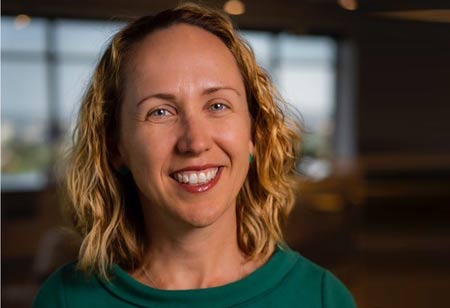
Sabina is an experienced Technology Leader with a broad background across strategy development and implementation, project portfolio management and delivering technology environments that meet and exceed expectations. Sabina has held senior roles in the Consumer goods industry, mining sector and large technology companies.
With over fifteen years of experience working in senior technology industry roles, including more than a decade in pan-regional roles covering Australia, Asia Pacific and EMEA, Sabina embodies the mantra of think Global, act Local. Sabina specializes in communicating the value of technology to senior business stakeholders and combines her experience with a passion for the end user experience, making her a true business partner.
Sabina is also a mother of two boys, lover of all things tennis, and a small-time urban honey farmer.
Could you provide an overview of your role and responsibilities within the company?
As the CIO of Lactalis Australia, I am responsible for every technology element we use here in Australia. This includes everything from applications like SAP and Salesforce, our laptops and mobile phones, our data centers, networks, and cyber security. I have a fantastic team of people who manage our IT assets and projects, ensuring everything runs smoothly.
"AI is making a huge difference in any knowledge-based industry, and another upcoming storm is the impact of environmental compliance. We need to know where our resources are going and how to reduce our usage. AI may help here with opportunities for digital twins, in-depth data analysis, and third-party systems that make the Internet of Things a reality finally."
Lactalis Australia is part of the larger Lactalis Group, a French company owned by the same family who founded it in 1933. I work with a broader team of IT professionals in France and worldwide as part of the IT Board, providing strategy and governance to the entire company.
What are some of the key challenges you face?
The key challenges in 2023 have been rising costs, cyber security, and attracting and retaining talent. Nothing new or unique there. As a result, we are putting significant effort into our major systems to ensure we have business benefit-driven roadmaps that ensure every dollar we spend returns something to the bottom line. We are working on a cyber-security uplift plan in conjunction with our Head Quarters team to protect ourselves more effectively. We are also investing in our people to keep their skills sharp and engage them in ways that have purpose and impact. Everyone wants to make a difference, and that's what our team does.
What would you say are some of the futuristic trends that will have an impact in the next 18-24 months?
Definitely AI/ML. Whether it is gaining better production reliability through predictive maintenance or using generative AI for coding, AI is making a huge difference in any knowledge-based industry. Another upcoming storm is the impact of environmental compliance. We need to know where our water, power, diesel, etc., are going and how we will reduce our usage. Again, AI may help here with opportunities for digital twins, in-depth analysis of our data, and third-party systems that make the Internet of Things a reality finally.
What advice would you give to young professionals who are interested in pursuing a similar career, and what qualities do you think are essential for success in this field?
Any young professional interested in becoming a CIO should give it a try. It is a truly rewarding role where you can bring technology to the executive table and solve business problems. The main advice is to ensure you understand as much about business as you do about technology, and then double that for people. The vast majority of your job will be as a steward for the team you lead. You will provide direction, ensure consistency in purpose, and manage the boundary between your team and the rest of the organization. You will need diplomacy, courage, and a quick wit.
It definitely helps if you have a good broad knowledge of all aspects of IT, but a deep knowledge of everything is not required. You need to know enough to detect nonsense but not enough to build anything anymore. It can sometimes be frustrating that you can't pick up the tools and do things yourself, but unless there is a problem, you shouldn't. You need to trust your team, empower them to get on with things, and praise them when they succeed.
I would say the main key to success as a CIO is excellent communication skills; both listening and talking. You will need to sell your budget, clearly articulate your vision, be able to explain technical topics to non-technical people, etc., as well as listen to what people are telling you and really understand what is going to make a difference to the outcome they want. If you can nail that, then you will have a lot of fun.
